Beyond the Bar Cart: The Art of Manhattan Cocktail Formulation for Brands
The Manhattan cocktail, a timeless classic, evokes images of sophistication, bustling cityscapes, and a certain old-world charm. For many, like myself, the idea of sipping a perfectly crafted Manhattan, perhaps in a pin-striped suit in its namesake city, is the epitome of cocktail enjoyment. On the surface, the manhattan drink recipe appears deceptively simple: whiskey, sweet vermouth, and bitters. Yet, for beverage brands aiming to scale this iconic concoction, this simplicity quickly unravels into a complex challenge. Crafting a consistent, high-quality Manhattan that tastes just as exquisite in the ten-thousandth bottle as it does in the first requires an intricate blend of art, science, and meticulous control.
Unlike a small-batch creation at a home bar, commercial formulation introduces a myriad of variables that can easily derail the delicate balance of a Manhattan. Minor inconsistencies, imperceptible in a single drink, become glaring flaws across a large production run. This article delves into the often-underestimated difficulties of perfecting a manhattan drink recipe for commercial scale, exploring how successful brands move beyond guesswork to deliver a consistently exceptional product.
The Illusion of Simplicity: From Home Mix to Commercial Batch
At home, experimenting with different whiskies or bourbons, as many enthusiasts do, is part of the fun. A dash more or less of bitters, a slightly different vermouth – these minor deviations contribute to a unique, personal experience. However, when a brand commits to a commercial manhattan drink recipe, every single component must be perfectly controlled and consistent. The consumer demands a "handcrafted" profile, yet expects unwavering uniformity bottle after bottle. This inherent contradiction is the first hurdle brands must overcome.
The "strict" nature of the Manhattan means there's little room for error. The drink's character is so well-defined that even subtle shifts in ingredient profiles or ratios are immediately noticeable. It's not merely about mixing; it's about initiating a consistent, high-quality experience that honors the drink’s classic flavor profile while ensuring it performs flawlessly at scale.
The Volatile Nature of "Simple" Ingredients
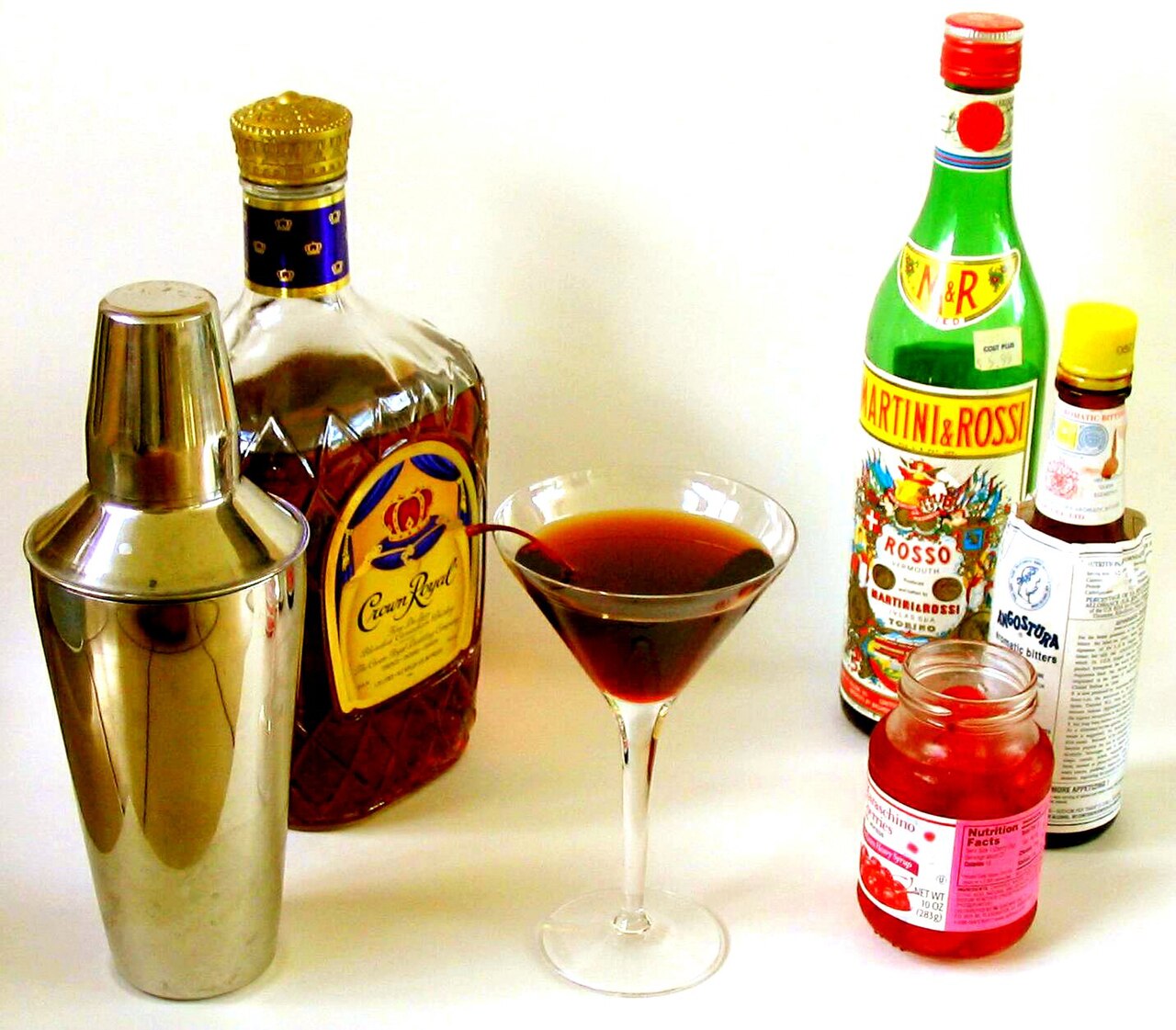
The core ingredients of a Manhattan – whiskey, sweet vermouth, and bitters – each present unique challenges when scaled:
- Whiskey: While generally the most stable of the three, variations in alcohol proof or flavor profile between different lots or suppliers can subtly alter the final blend. Brands must rigorously vet their whiskey sources to maintain a consistent base.
- Sweet Vermouth: Often the most problematic ingredient, vermouth is wine-based, making it susceptible to oxidation. Its sugar levels can also vary, impacting both taste and shelf stability. Many brands underestimate vermouth’s profound impact on shelf life and overall flavor integrity. Sourcing guides that prioritize producers understanding commercial stability, not just bar use, are invaluable.
- Bitters: These highly concentrated aromatics bring significant character to a small-batch drink. However, their intensity and volatile compounds mean that even slight variations in a production batch can lead to major inconsistencies. Controlling the concentration and ensuring a consistent flavor profile from bitters suppliers is paramount.
These seemingly minor fluctuations in the proof of the whiskey, the sugar level in vermouth, or the intensity of the bitters can quickly become significant, leading to a manhattan drink recipe that feels unbalanced or artificial. Successful brands understand that consistency starts with meticulous ingredient sourcing and robust supplier relationships.
Navigating the Contradictions: Craft Profile vs. Consistent Quality
Consumers today are sophisticated. They crave authenticity and a "handcrafted" feel, yet they expect the reliability and consistency of a mass-produced product. This creates a challenging tightrope walk for brands: how do you deliver the soul of a small-batch cocktail within the parameters of industrial production?
The Peril of Proof and Flavor Balancing
One of the most critical aspects of scaling a manhattan drink recipe is precise alcohol proof management. The alcohol proof of the final product can vary significantly after dilution, blending, or carbonation. If not tightly controlled, the drink either lacks its characteristic strength or becomes unpleasantly aggressive. Many brands initially start with a high proof and then "strip" flavor during dilution, or conversely, start too low and end up with a flat, lifeless drink. Neither outcome satisfies the discerning Manhattan drinker.
Proof management must be intentional from the very first bench sample. This is where flavor balancing becomes critical. Experienced formulators adjust ratios, consider ingredient interactions, and ensure that the final proof contributes to the desired mouthfeel – whether thin or lush – without compromising the drink's signature character. This requires a scientific approach, moving away from subjective "tasting notes" to objective analytical data that guides formulation decisions at every stage.
For more insights into these challenges, read: Why Your Brand's Manhattan Cocktail Recipe Fails at Scale: The Science of Consistency.
Mastering Shelf Stability: The Unsung Hero of RTD Manhattans
Beyond taste and consistency, the longevity of a commercial Manhattan is paramount. This is where shelf stability becomes the unsung hero, directly influencing a brand's reputation and profitability.
Oxidation, Volatility, and the Temperature Tango
The stability of the primary ingredients is a major concern. As mentioned, vermouth is wine-based and oxidizes, leading to off-flavors and browning. Bitters contain volatile aromatics that can dissipate over time, altering the drink's aromatic profile. While whiskey is fairly stable, its accompanying ingredients are not. If product formulation does not explicitly focus on issues like oxygen exposure and the impact of temperature variations, the shelf life will suffer, leading to significant flavor degradation.
This challenge is particularly acute for ready-to-drink (RTD) cocktails, where consumers expect a product that maintains its quality from the factory to their glass, often over many months. Brands must employ sophisticated techniques:
- Oxygen Scavengers: Ingredients or processes designed to absorb or remove oxygen.
- Inert Gas Blanketing: Replacing oxygen in packaging with inert gases like nitrogen.
- Specific Packaging: Using dark, UV-protected bottles or cans to minimize light exposure.
- Temperature Control: Ensuring stable storage conditions throughout the supply chain.
Addressing these issues upfront is crucial. Ignoring alcohol stability in RTD cocktails is a common pitfall that successful brands meticulously avoid. For a deeper dive into this topic, explore: Perfecting the Manhattan: How Brands Master Shelf Stability for RTD Cocktails.
The Value of Expert Beverage Formulation Services
The transition from an "inventive bench formulation" – often a creative process focused on taste – to a "regulated commercial formulation" – which prioritizes consistency, stability, safety, and scalability – is where many brands falter. Bench formulations are exploratory; commercial formulations are engineered.
This is precisely where experienced beverage formulation services add immense value. They possess the scientific knowledge and technical expertise to:
- Optimize Ingredient Sourcing: Identifying suppliers who understand commercial-scale stability.
- Develop Robust Recipes: Creating a manhattan drink recipe that accounts for ingredient variations and processing impacts.
- Implement Shelf Stability Protocols: Designing formulations and processes to maximize shelf life without compromising flavor.
- Manage Proof and Mouthfeel: Ensuring the final product has the correct alcohol content and desired texture.
- Navigate Regulations: Ensuring compliance with all food and beverage industry standards.
These experts can make the small, critical tweaks that prevent a drink from feeling "thin" or ensure it retains its "lush" character, especially when scaling beyond initial pilot runs. Their ability to preemptively identify and mitigate issues saves brands from costly errors, product recalls, and damage to their reputation.
Conclusion
The quest to perfect a commercial manhattan drink recipe is far from simple. It’s a sophisticated endeavor that demands scientific precision, an understanding of ingredient chemistry, and an unwavering commitment to quality. From meticulously vetting suppliers and managing delicate ingredients like vermouth and bitters, to controlling alcohol proof and mastering shelf stability, every detail matters. By moving beyond subjective guesswork and embracing a systematic approach, beverage brands can successfully translate the classic elegance of the Manhattan from a single bar glass to thousands of bottles, ensuring that consumers everywhere can enjoy this iconic cocktail just as it was meant to be – consistently smooth, balanced, and utterly satisfying.
